
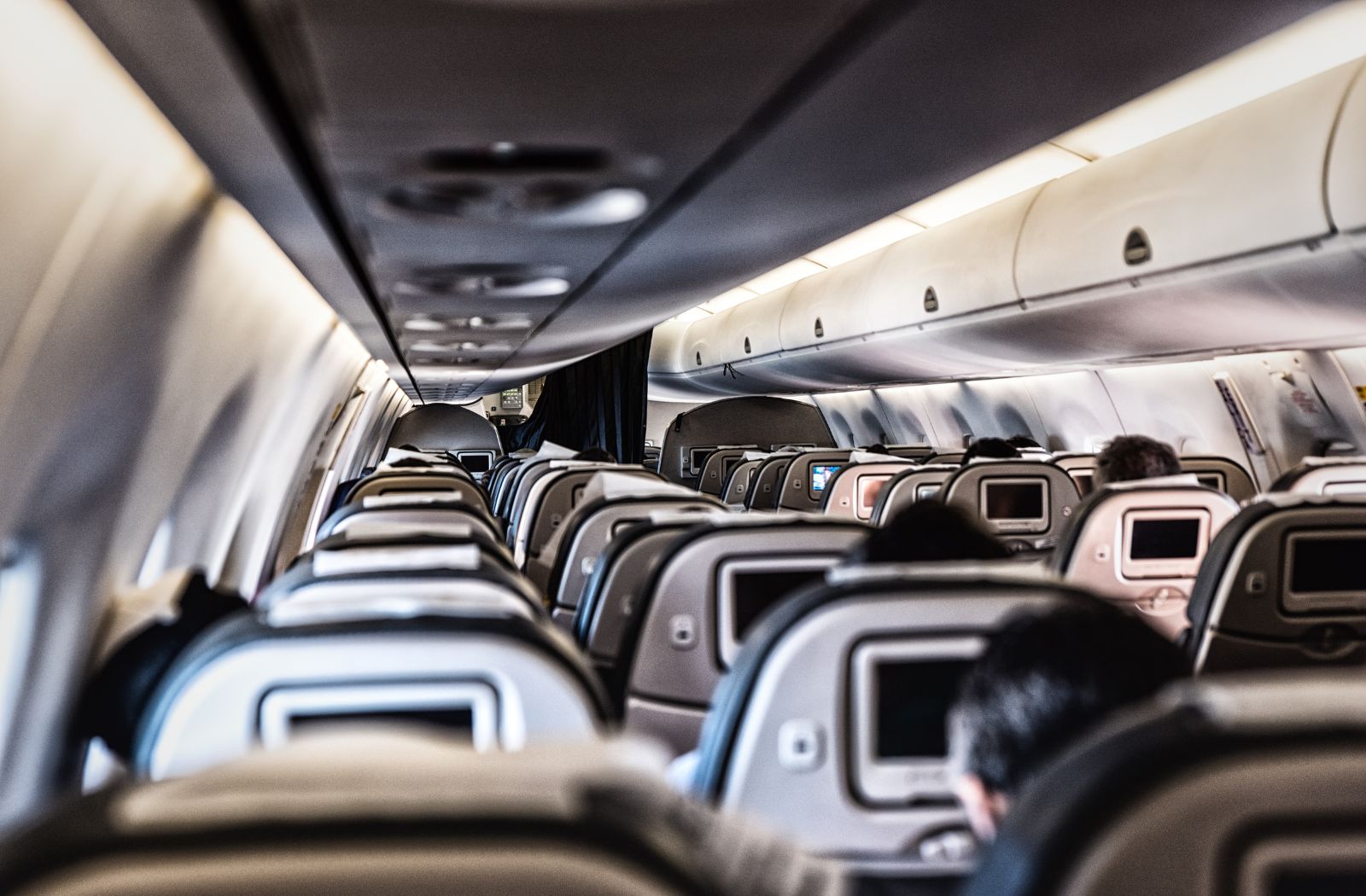
An aircraft cabin may look like a relatively simple space to redesign, but even a small interior modification can involve complex engineering considerations. Replacing passenger seats, installing new entertainment systems, or changing the cabin layout requires more than aesthetic improvements. Every modification must meet strict technical requirements to ensure that the aircraft remains safe, efficient, and fully functional.
Engineers must carefully evaluate several factors, including aircraft weight, structural integrity, fire safety, electrical systems, passenger comfort, and aviation regulations. Balancing all these requirements is what makes aircraft cabin interior modifications a challenging engineering process.
Engineering Challenges in Aircraft Cabin Interior Modifications
1. Maintaining Aircraft Weight
One of the main challenges in aircraft interior modifications is weight management. Every additional component installed in the cabin increases the aircraft’s overall weight. Excessive weight can affect fuel consumption, payload capacity, and aircraft performance.
For this reason, interior materials are generally selected based on a balance between strength and lightweight properties. Aluminum, composite materials, and other lightweight materials are commonly used to minimize additional weight while maintaining the required durability.
2. Structural Strength and Safety
Aircraft cabin interiors must be able to withstand various conditions during flight, including vibration, turbulence, braking forces, and changes in load. Seats, panels, tables, overhead storage compartments, and other interior components must have secure and reliable installation systems.
Modifications must not interfere with the aircraft’s primary structure. Every mounting point must be carefully designed to withstand the loads that may occur during normal operations as well as emergency situations.
3. Fire Safety Requirements
Aircraft interior materials are subject to specific fire safety requirements. The materials used must comply with applicable standards concerning fire resistance, flame propagation, smoke emission, and hazardous gases.
Material selection is particularly important because emergencies inside an aircraft cabin require rapid evacuation. Using materials that do not meet the required standards can increase risks to both passengers and crew members.
4. Electrical and Electronic Systems
Aircraft cabin modifications often involve installing additional lighting, entertainment screens, charging ports, audio systems, or other electronic equipment. These additions must be safely integrated with the aircraft’s existing electrical systems.
Cables and electronic devices must be properly installed and protected against damage caused by vibration or friction. Any additional electrical load must also be calculated to ensure that it does not exceed the aircraft’s electrical system capacity.
5. Passenger Comfort
In addition to safety, passenger comfort is another important consideration. Seat design, passenger spacing, lighting, storage capacity, and overall cabin layout must be carefully planned to create a comfortable environment.
However, improving passenger comfort must not compromise evacuation routes. Any changes to the cabin layout must preserve clear access to emergency exits and safety equipment.
6. Certification and Regulatory Compliance
All aircraft interior modifications must comply with applicable aviation regulations and certification requirements. Even changes that appear relatively simple may require inspections and testing before the aircraft can return to service.
Technical documentation, design drawings, material specifications, test results, and installation procedures must be properly prepared. These documents help ensure that the modifications do not compromise the aircraft’s overall safety standards.
Conclusion
Aircraft cabin interior modifications are complex engineering projects that require careful planning and precision. The challenges go beyond design considerations and include aircraft weight management, structural strength, fire safety, electrical systems, passenger comfort, and regulatory compliance.
With proper planning and appropriate testing procedures, aircraft interior modifications can deliver a more comfortable and functional cabin without compromising aviation safety.
Writer: Bimo | Editor: Hayyu