
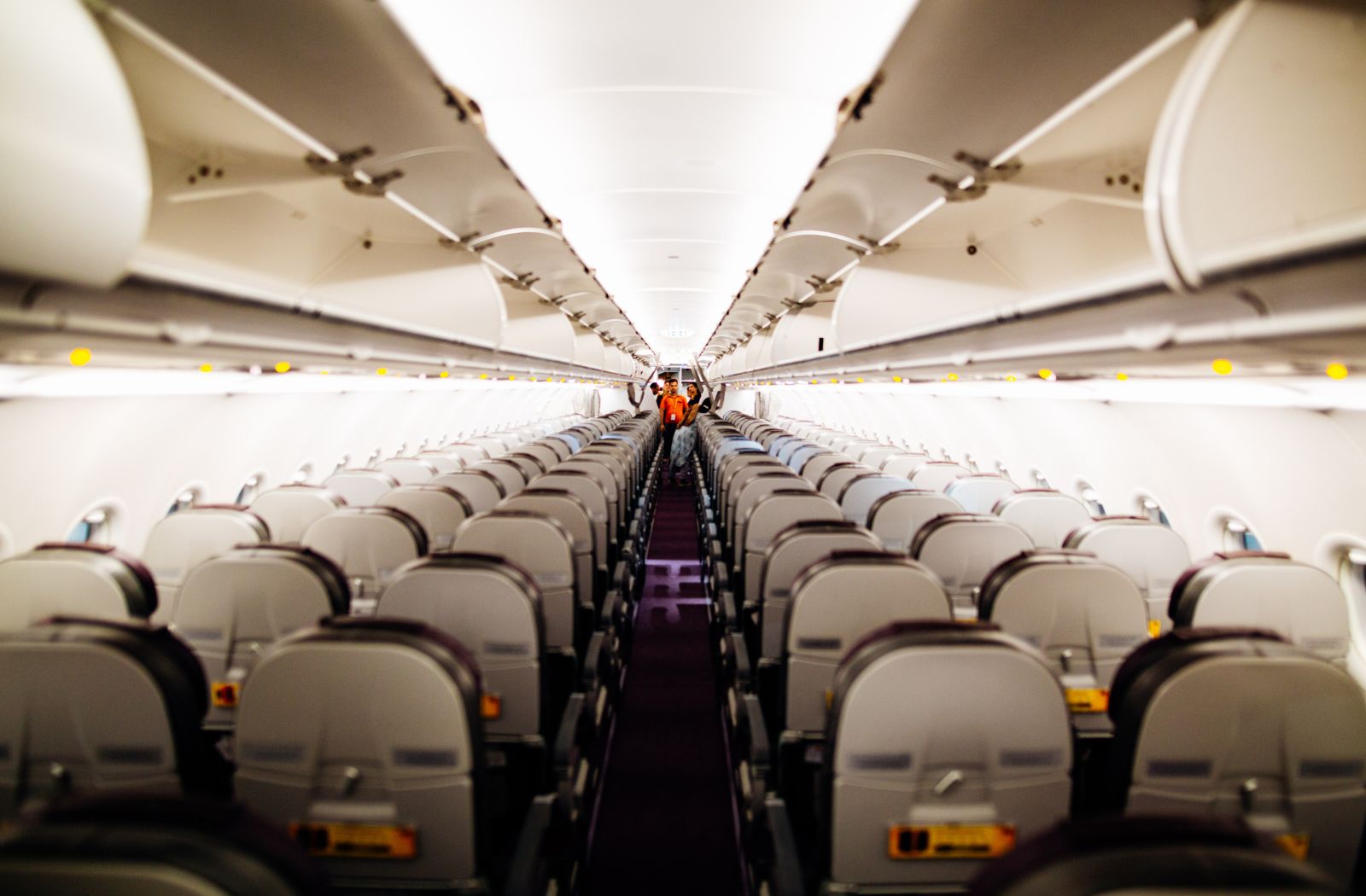
Every aircraft has different requirements. The same applies to the passengers who use the cabin. That is why aircraft interiors do not always have to follow a standard design. In some cases, an aircraft operator may need additional facilities, a different space arrangement, or a customized design for a specific cabin class. This is where custom aircraft interior design can make a difference.
Custom interior design is not simply about making a cabin look more attractive. It is about creating an interior that fits the needs of passengers, the function of each space, the facilities required, and the overall character of the aircraft.
At the same time, every modification needs to be carefully considered from an engineering and aviation safety perspective.
What Is Custom Aircraft Interior Design?
Custom aircraft interior design is the process of developing an aircraft cabin based on specific requirements rather than relying entirely on a standard interior configuration. Those requirements can vary considerably.
One aircraft may need additional storage space. Another may require charging points for electronic devices. A premium cabin might need a dedicated coffee station, work area, or specially designed interior components. With a custom approach, these requirements can be considered from the beginning of the design process.
The goal is simple: create an aircraft interior that is more practical, comfortable, and suitable for the intended passenger experience.
Every Part of the Cabin Can Be Customized
When people think about aircraft interiors, they often think about seats, overhead compartments, wall panels, flooring, or lighting. However, small details can also have a significant impact on the passenger experience.
Tables, storage areas, information panels, electronic facilities, service areas, and other cabin components can be designed or adjusted according to specific requirements. This does not necessarily mean changing the entire aircraft interior.
Sometimes, a few well-planned modifications can make a cabin more functional and comfortable. That is one of the advantages of custom aircraft interior solutions: every component can be developed with a specific purpose instead of simply being added for appearance.
Aircraft Interior Design for Different Cabin Classes
Passenger needs are not always the same across different cabin classes. Economy cabins generally focus on efficient use of space and practical facilities. Business and premium cabins, on the other hand, may require additional features to create a more comfortable and personalized experience.
These different requirements can become part of the custom cabin design process. For example, a particular cabin class may require additional storage space, a dedicated work area, charging points, customized panels or storage, additional service facilities, a coffee or beverage station, specific lighting solutions, or specially designed interior components.
All of these requirements can be discussed during the early design stage so that additional features can be integrated naturally into the overall cabin.
Need Charging Points in the Cabin? Why Not?
Electronic devices have become an everyday part of air travel. Passengers carry smartphones, tablets, laptops, and other devices. On longer flights, having access to charging facilities can also become an important part of the passenger experience. For this reason, aircraft interior design can incorporate facilities such as power outlets or charging points.
However, it is not simply a matter of adding a socket. The location, accessibility, integration with interior panels, installation, and other technical considerations need to be properly planned. With the right approach, charging facilities can become part of the cabin design without compromising the overall function of the interior.
What About a Drip Coffee Station in Aircraft Cabin?
Another interesting possibility is creating a dedicated area for beverages or a drip coffee station. Imagine a small area inside the cabin designed specifically for preparing and serving coffee. A concept such as this can become part of the passenger experience, particularly for premium cabins or aircraft with specialized configurations. The coffee station can be designed to blend naturally with the surrounding cabin interior, including storage for equipment, a working surface, and other supporting components.
However, this type of facility cannot be designed based on appearance alone. From an aircraft interior engineering perspective, additional facilities need to be considered in terms of factors such as weight, structure, positioning, installation, accessibility, maintenance, and applicable safety requirements. In other words, creative ideas can certainly be developed, but they need to be supported by proper engineering.
Custom Does Not Mean Compromising Safety
Passenger comfort is important. But when it comes to aircraft interiors, safety is non-negotiable.
Aircraft have technical and safety requirements that are different from buildings, hotels, homes, or conventional vehicles. Every interior component that is added or modified needs to be carefully considered. Materials, construction, weight, installation, component positioning, accessibility, and other technical factors may all become part of the engineering process. That is why custom aircraft interior design should go beyond creating an attractive visual concept.
The design needs to be developed into an engineering solution that considers operational requirements as well as relevant aviation safety requirements.
The Role of an Aircraft Interior Engineer
A good design idea needs proper planning before it can become a practical solution. This is where an aircraft interior engineer can play an important role.
An interior engineer can help translate user requirements into a structured design concept. The process may start by understanding the cabin requirements and existing configuration, followed by design development, material and component considerations, and technical planning.
For example, an aircraft operator may want to add charging points. Or perhaps additional storage is needed. Maybe the cabin requires a dedicated coffee station. Or a specific interior panel needs to be developed for a particular function. These requirements can be discussed from the beginning so that the final design is not only visually appealing but also considers how each component will actually be used and integrated into the cabin.
Custom Interior for a Better Passenger Experience
At the end of the day, aircraft interior design is not only about appearance. A well-designed cabin should support the passenger experience while also meeting operational requirements. Every space should be used effectively. Every facility should have a clear purpose. And every modification should be developed with proper attention to engineering and safety.
This is why custom aircraft interior design can be a valuable approach for operators and organizations that require a specialized cabin configuration.
Not every aircraft needs the same design. Not every cabin class requires the same facilities. And not every passenger has the same expectations. With a custom design approach, the interior can be developed around those specific needs.
Turning an Idea into an Aircraft Interior Solution
Having an idea for a new cabin feature or interior modification is only the beginning. The next step is determining how that idea can be developed into a practical and technically sound design. From concept development and detailed design to material selection, component development, and aircraft interior engineering, every stage requires careful consideration.
Working with a team that understands both aircraft interior design and engineering can help turn an initial concept into a more structured solution.
Looking to create a more comfortable, functional, and customized aircraft cabin?
A custom aircraft interior can be developed around your specific requirements while keeping engineering and safety at the heart of the design process. Because a good aircraft interior is not simply about looking good. It should be comfortable, functional, practical, and engineered for the aircraft.