
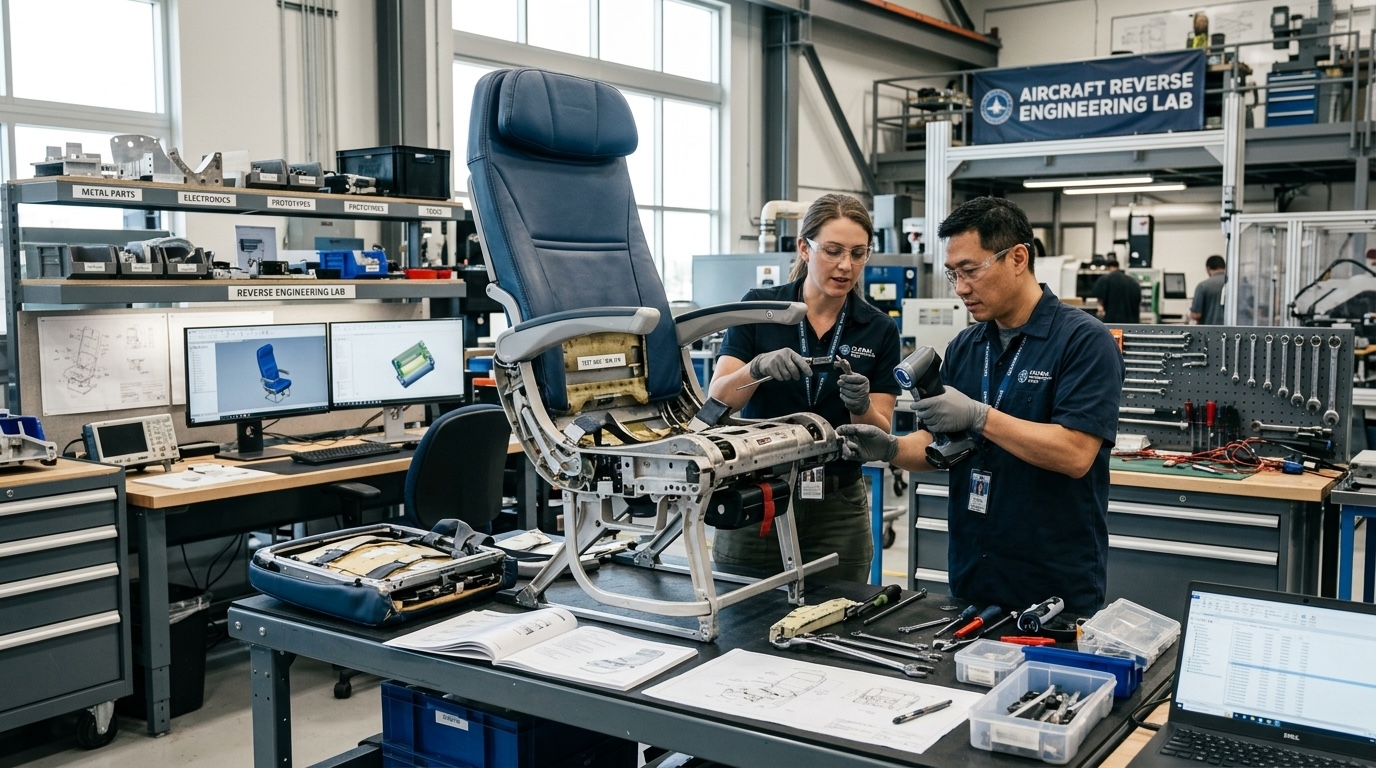
In the aviation industry, every aircraft component repair process requires precision and strict quality control. Not only must technical work be performed in accordance with established procedures, but every task must also be supported by complete and accurate documentation.
Aircraft component repair documentation serves as a record of the entire maintenance process, from the component’s initial condition and inspection findings to the repair actions performed and post-repair test results. Proper documentation helps ensure that every maintenance activity can be traced and verified whenever necessary.
In addition to supporting maintenance operations, systematic recordkeeping plays an important role in maintaining component quality and traceability.
1. Aircraft Component Identification and Data
The first information to record is the component’s identity. This typically includes the component name or type, Part Number (P/N), Serial Number (S/N), and other relevant identification details.
These records must be accurate to prevent component mix-ups and ensure that its maintenance history can be easily traced. When necessary, information about the aircraft or unit in which the component is installed may also be documented.
2. Initial Condition Before Repair
Before repairs begin, technicians must document the component’s initial condition. Records may include the type of damage, wear, corrosion, cracks, deformation, or other issues identified during inspection.
Photographs can also be used to document the component’s physical condition before work begins. Before-and-after photographs provide a clearer visual reference for evaluating changes resulting from the repair process.
3. Inspection Findings and Diagnosis
All inspection findings should be recorded systematically. Documentation may include the inspection methods used, measurement results, identified defects, and the diagnosis of the problems discovered.
This information provides a basis for determining the appropriate repair actions and helps ensure that the work is performed using relevant technical data.
4. Details of the Repair Process
Another essential element of aircraft component repair documentation is a detailed record of the work performed. This information may include the type of repair, the parts repaired, components replaced, materials used, and the procedures or technical instructions followed.
Detailed records make component traceability easier, particularly when further inspections or additional maintenance work are required.
5. Post-Repair Testing Results
Once repairs are completed, the component must undergo inspection or testing in accordance with applicable requirements. Test results, inspection parameters, and the final inspection status should be recorded.
If any non-conformities are identified, the corrective actions taken must also be documented. This ensures that the entire process can be traced from the initial inspection through the final determination of compliance with applicable requirements.
6. Technician and Inspector Identification
Documentation should also identify the personnel who performed the work, the date of completion, and the individuals responsible for inspection or authorization within their respective scopes of authority.
This information supports accountability for each maintenance activity and ensures that the personnel involved can be identified when verification is required.
7. Technical Document References
Every aircraft maintenance task should be supported by appropriate technical references. Therefore, documentation should identify the applicable manuals, repair instructions, maintenance data, or other technical documents used during the process.
These references help demonstrate that the work was performed using appropriate procedures and applicable technical data.
Documentation Supports Safety and Quality
Aircraft component repair documentation is more than an administrative requirement. Complete and accurate recordkeeping is an essential part of quality control, component traceability, and aviation safety.
With accurate documentation, every component has a clear and traceable maintenance history. This supports inspections, quality evaluations, and decisions regarding the component’s serviceability.
For companies operating in the aviation and aircraft component maintenance sectors, implementing systematic documentation practices can improve work consistency while strengthening confidence in the quality of their services.
Writer: Chlara | Editor: Hayyu