
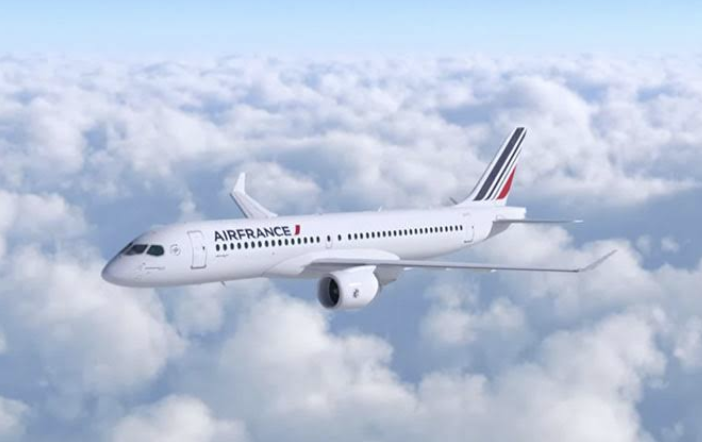


Breaking down the fundamental physics that allow a multi-ton aircraft to lift off the ground
The Role of Wing ShapeAn aircraft wing is designed with a curved upper surface and a flatter lower surface, a shape known as an airfoil. As air flows over and under the wing, differences in air pressure are created, generating the upward force known as lift, following principles rooted in both Bernoulli’s theorem and Newton’s third law.
Thrust to Overcome DragEngines generate thrust to propel the aircraft forward through the air, which in turn is necessary to generate sufficient lift from the wings. At the same time, the aircraft must overcome drag, the resistance force created by air pushing against the aircraft’s body as it moves.
Control Surfaces and ManeuverabilityBeyond simply staying airborne, pilots rely on control surfaces such as ailerons, elevators, and rudders to steer the aircraft. These surfaces alter airflow around specific parts of the aircraft, allowing controlled changes in pitch, roll, and yaw during flight.
A Delicate BalanceUltimately, flight is a continuous balancing act among these four forces, constantly adjusted by pilots and modern flight computers to maintain stable, efficient, and safe travel through the atmosphere.